Checklist • Dec 15, 2025 • 8 min read
Under-sink smell checklist: P-trap, disposal, and hidden leaks
Under-sink smells usually come from moisture, food residue, or a dry P-trap. This checklist helps you narrow it down without risky DIY.
Important: These guides focus on low-risk, reversible steps. If your lease forbids a modification (or the task involves gas/electrical/structural work), stop and contact maintenance.
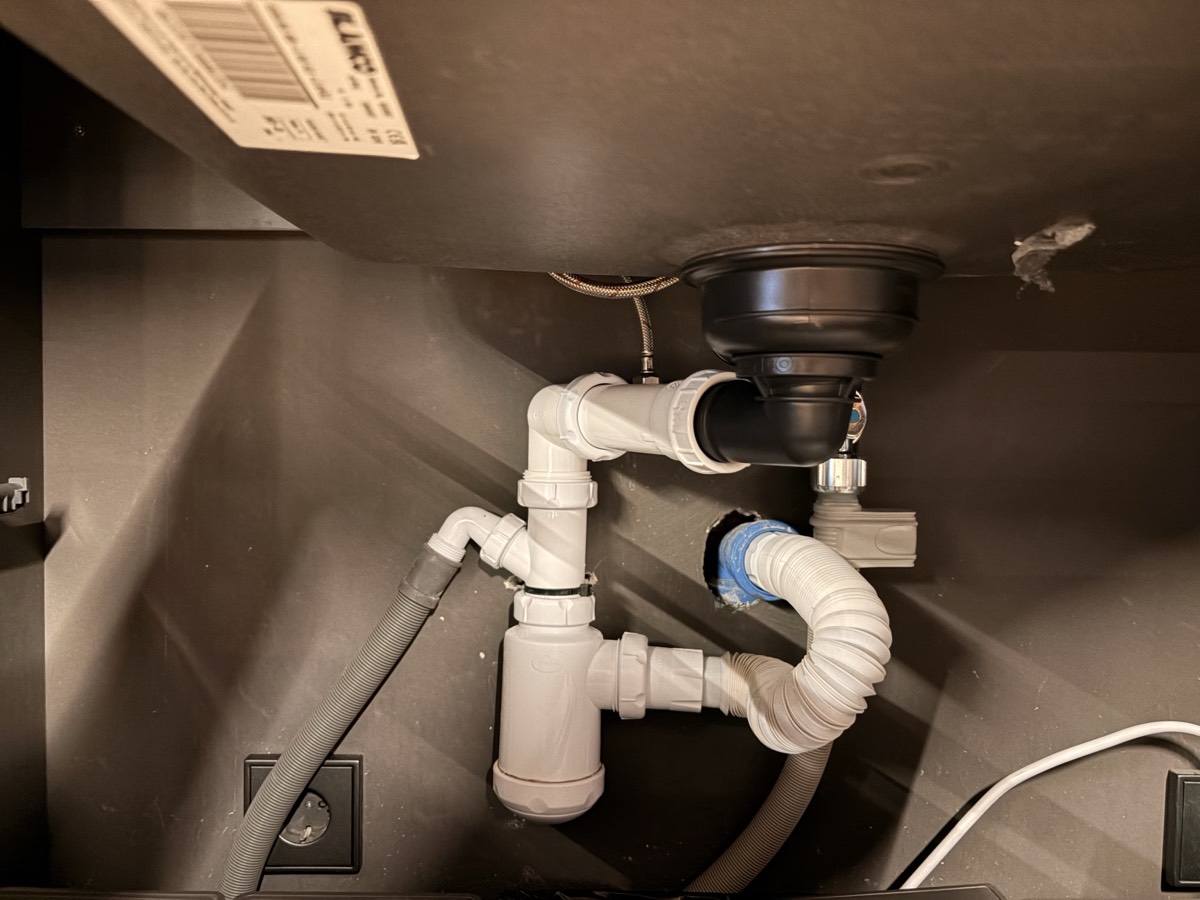
Fast sniff test (where is it strongest?)
- Cabinet wood / floor: musty smell often means moisture.
- Drain area: sewer-ish smell can mean P-trap issues.
- Garbage disposal: sour/rotting smell is usually residue.
Checklist
| Check | What you see/smell | Next action |
|---|---|---|
| Look for moisture | Damp cabinet, swelling, dark stains | Photo + report to maintenance |
| P-trap area | Sewer smell near pipes | Run water 30–60 sec; smell improves = trap was dry |
| Disposal splash guard | Sour smell, slime | Clean guard + flush with dish soap and water |
| Trash can / recycling | Smell concentrated there | Wash bin; use liners; ventilate |
Stop signs (call maintenance)
- Any active drip or wetness that returns after drying.
- Strong sewer smell that persists after running water.
- Visible mold growth on porous cabinet material.
Related: Slow drain guide • Monthly checklist