Troubleshooting • Dec 15, 2025 • 8 min read
How to fix a slow drain safely (renter edition)
Slow drains are usually hair + soap scum (tub) or grease + food (kitchen). The goal is to try low-risk steps first and avoid causing damage.
Important: These guides focus on low-risk, reversible steps. If your lease forbids a modification (or the task involves gas/electrical/structural work), stop and contact maintenance.
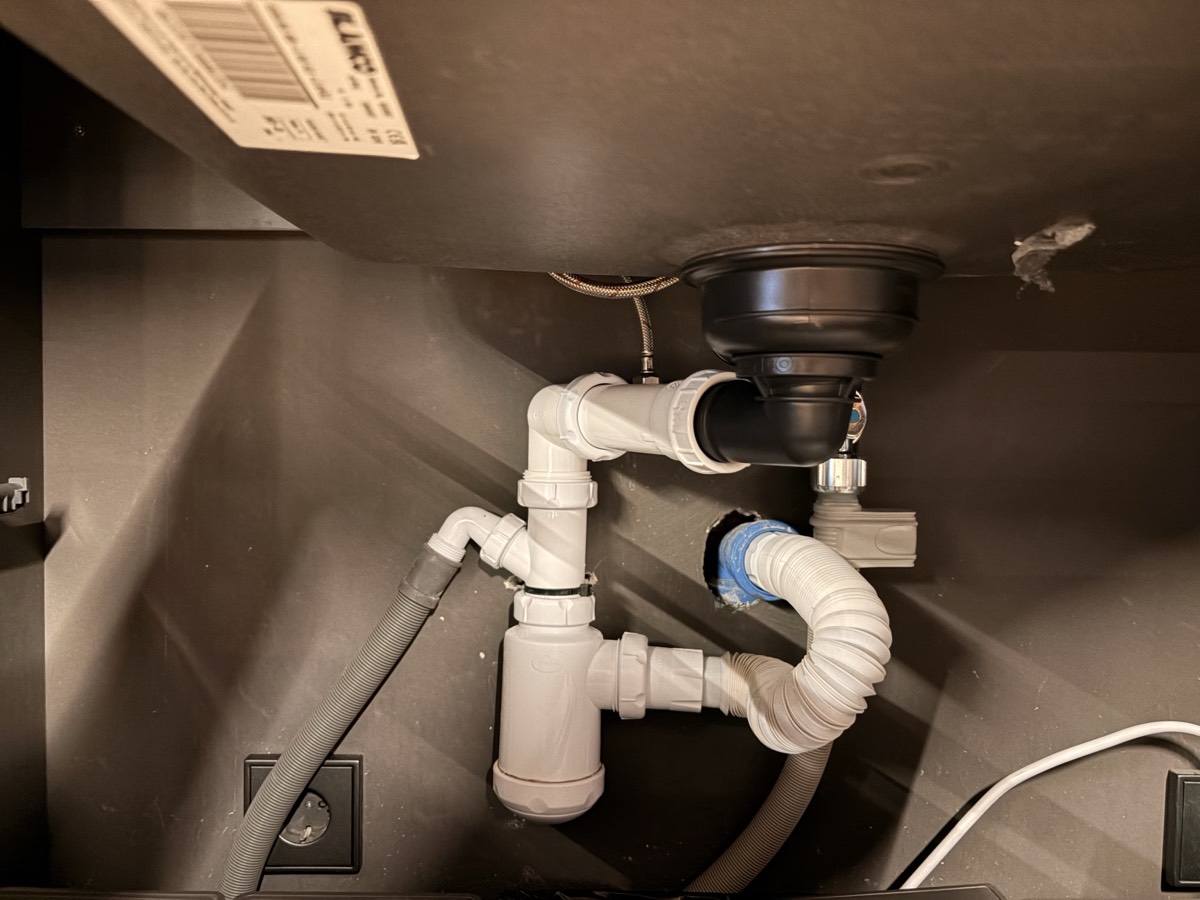
What to avoid (common renter mistakes)
- Mixing chemicals (dangerous fumes).
- Overusing harsh drain cleaners (can damage pipes and finishes).
- Forcing a cable/snake aggressively (can scratch or dislodge parts).
Safe step-by-step checklist
- Remove the stopper/strainer and clean visible gunk.
- Use a plastic hair tool for tubs/showers (cheap and effective).
- Hot water flush (not boiling on fragile fixtures): run hot tap water for 2–3 minutes.
- Dish soap + hot water for kitchen sinks (helps with grease).
- Plunger (cover overflow if present; use short firm plunges).
"Stop here" signs (call maintenance)
- Water backs up into another drain (possible main-line issue).
- Gurgling + sewer smell.
- Repeated clogs within days.
- Any leak under the sink after attempts.
Related: Monthly maintenance checklist