Heating basics • Updated Mar 26, 2026 • 14 min read
Radiator maintenance for renters: bleeding, noise, and cold spots
 By Michael Rivera · Updated Mar 26, 2026
If you live in an older apartment--especially in the Northeast, Midwest, or anywhere with pre-war buildings--there's a good chance you're heating with radiators instead of forced air. And if nobody's explained how they work, the first cold season can be confusing. Why is one radiator boiling hot and the one in the bedroom is ice cold? Why does it clank at 3 AM like someone's hitting the pipes with a hammer? Is the hissing normal?
I've maintained radiator systems in buildings from the 1920s through the 1980s. Most of the problems tenants worry about have simple explanations and--in many cases--simple fixes you can handle yourself.
A safety note before we get into it: radiators contain very hot water or steam. Water in a hot-water system can be 140-180 degrees, and steam systems operate at 212. Burns are a real risk if you open the wrong valve or bleed a steam radiator incorrectly. Never attempt to disconnect, remove, or open the boiler. If you see water spraying or pouring from a radiator or pipe, turn off the valve if you can do it safely, move away, and call maintenance immediately. I've seen people get hurt trying to be heroes with a leaking steam pipe--it's not worth it.
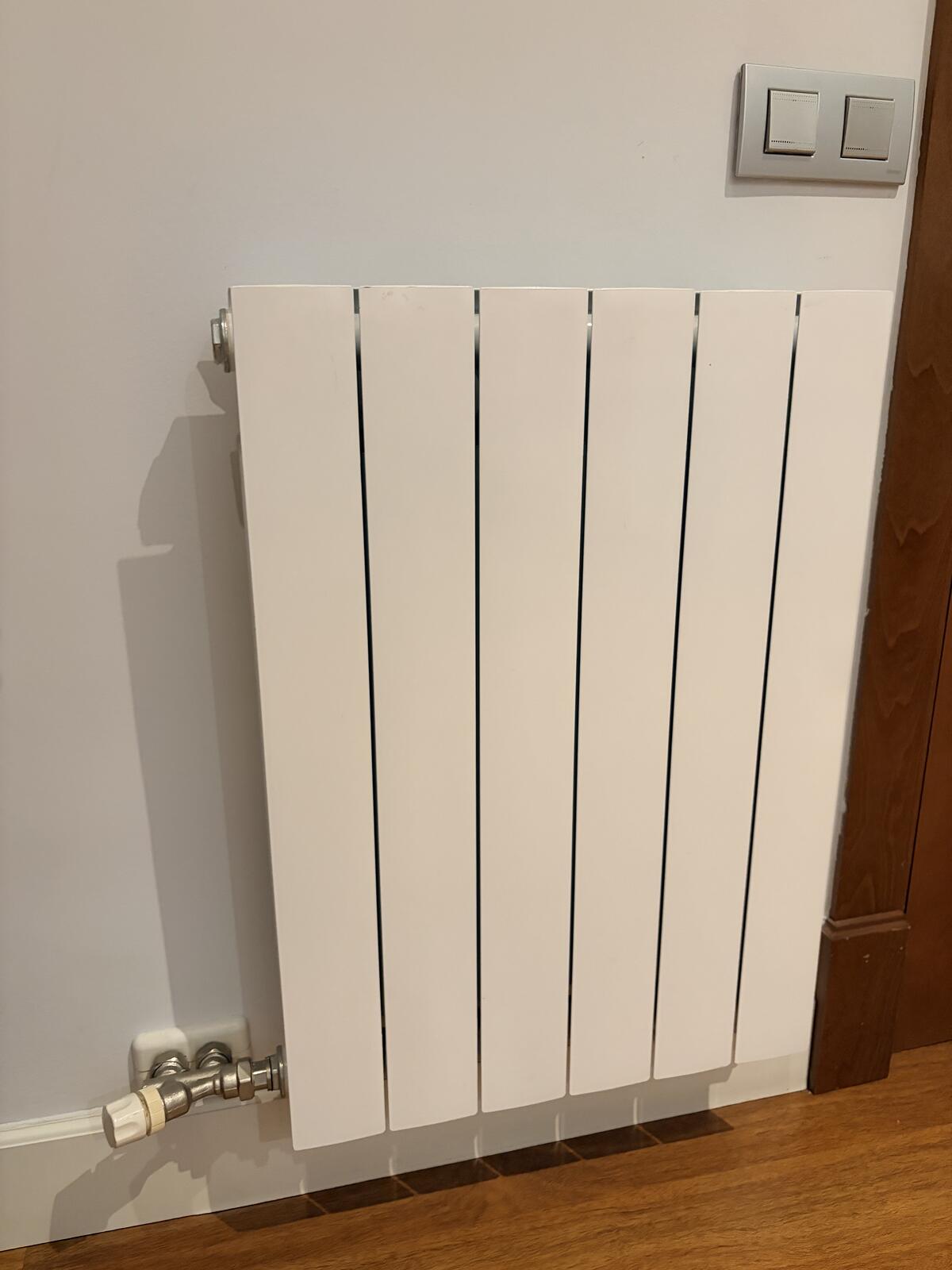
How radiators work (plain English)
Understanding the basics helps you figure out what's going wrong. There are two common types in apartments:
Hot water systems
A boiler heats water and a pump circulates it through pipes to each radiator. The hot water flows in, heats the metal fins or columns, and the cooled water returns to the boiler. Each radiator usually has its own valve so you can control the heat in that room.
- Water temperature: typically 140–180 °F (60–82 °C).
- You can usually adjust individual radiators with the valve.
- Air can get trapped in the system, creating cold spots — this is what "bleeding" fixes.
Steam systems
A boiler heats water until it turns to steam. The steam rises through pipes to each radiator, heats the metal, then condenses back to water and returns to the boiler by gravity. Steam systems are common in pre-war apartment buildings.
- Steam temperature: 212 °F (100 °C) — significantly hotter than hot water systems.
- One-pipe steam systems have a single connection per radiator. Two-pipe systems have a supply and a return.
- The small air vent on the side of a steam radiator is critical — it lets air escape so steam can fill the radiator. If that vent is clogged or broken, the radiator won't heat properly.
- You generally can't adjust steam radiators the way you adjust hot-water ones. They're either on or off.
Quick diagnostic table
Start here. Find your symptom, check the likely cause, and see what you can safely do before contacting maintenance.
| Symptom | Likely cause | Renter action |
|---|---|---|
| Top of radiator cold, bottom hot | Trapped air (hot water system) | Bleed the radiator (see steps below) |
| Entire radiator cold while others are hot | Valve closed, air lock, or circulation problem | Check that the valve is open. Try bleeding. If no change, call maintenance. |
| Radiator won't turn off / room overheats | Stuck valve, broken TRV, or steam system (no individual control) | Try adjusting the valve. If it doesn't respond, call maintenance. For steam systems, partially covering the radiator is not recommended — see the section on valves below. |
| Loud banging / hammering | Water hammer (steam), trapped water, improper pitch | Check if the radiator is level or slightly tilted toward the return pipe. Don't attempt to re-pipe. Call maintenance if banging is persistent. |
| Hissing from the side vent | Normal operation (steam) — air venting as steam fills | Brief hissing when heat comes on is normal. Constant or very loud hissing means the vent may be stuck open — call maintenance. |
| Clicking / ticking sounds | Metal expanding and contracting as temperature changes | Normal. No action needed unless accompanied by leaking or other symptoms. |
| Water leaking from the valve or bleed point | Loose connection, worn packing, or corroded valve | Place a towel to catch water. Do not over-tighten. Call maintenance. |
| Gurgling / bubbling sounds | Air trapped in the system (hot water) | Bleed the radiator. If gurgling persists, the system may need a full bleed by maintenance. |
Tools you'll need
Bleeding a radiator requires almost nothing. You probably already have most of this.
- Radiator bleed key — A small brass or plastic key that fits the square bleed valve. Available at any hardware store for a couple of dollars. Some radiators use a flathead screwdriver instead.
- Old towel or rag — Water will drip. Have something underneath.
- Small container (bowl, mug, or cup) — To catch the water that comes out.
- Gloves (optional but recommended) — The water can be very hot. Thin rubber kitchen gloves work fine.
How to bleed a radiator (step-by-step)
This is the single most useful thing a renter can do with a radiator. It takes about five minutes and fixes the most common problem: trapped air that prevents hot water from fully filling the radiator.
This applies to hot water systems. If you have steam radiators, skip to the steam section below — bleeding works differently (and is usually not a renter task).
- Turn the heating on and wait for the radiators to warm up. You want the system running so pressure pushes water (and air) toward the bleed point.
- Identify the radiator with the problem. Feel it with your hand — carefully. If the bottom half is warm but the top is noticeably cooler, air is likely trapped at the top.
- Find the bleed valve. It's a small square-headed valve, usually at one of the top corners of the radiator. It's tiny — about the size of a pencil eraser.
- Place your container and towel below the valve. Water will come out — be ready for it.
- Insert the bleed key and turn it slowly counterclockwise — about a quarter to half turn. You do not need to remove the valve completely. Never unscrew it all the way.
- Listen. You'll hear a hissing sound as trapped air escapes. This is what you want.
- Wait for water. Once a steady stream of water (no more air sputtering) comes out, close the valve by turning the key clockwise. Tighten it gently — don't force it.
- Wipe up any drips and check that the valve isn't weeping. A tiny residual drip usually stops within a few minutes.
- Check the radiator again after 30 minutes. It should now be warm across the entire surface. If the cold spot remains, there may be a larger air lock that maintenance needs to address at the boiler level.
How often? Bleed your radiators at the start of the heating season (when the system first turns on for fall/winter) and anytime you notice cold spots. Once or twice a season is typical.
Steam radiators: what's different
If your radiator has a small mushroom-shaped or bullet-shaped vent on the side (not a square bleed valve), you have a steam system. The rules are different:
- Don't try to bleed it the same way. Steam vents release air automatically. If the vent is clogged, the radiator won't heat because steam can't push the air out.
- A clogged vent is a maintenance issue. You can sometimes gently clean the outside of the vent with a damp cloth, but replacing or unclogging it is typically maintenance territory. Don't try to unscrew it while the system is running — live steam can cause serious burns.
- The valve on a steam radiator should be fully open or fully closed. Partially open valves on one-pipe steam systems cause banging because condensed water can't drain properly while steam is trying to enter. If it's hot in the room, close the valve fully. If you want heat, open it fully.
Dealing with cold spots
If bleeding didn't solve it, or if the whole radiator is cold, work through these possibilities:
- Valve not open: The most embarrassing fix — someone (maybe a previous tenant) closed it. The valve handle should be turned fully counterclockwise for open. Some valves have no handle and need a wrench — if there's no handle and the valve is stuck, call maintenance.
- Thermostatic radiator valve (TRV) set to low: If there's a numbered dial on the valve (0 through 5, or similar), it's a TRV. Try turning it up. If it doesn't respond after 30 minutes, the TRV head may be stuck. You can sometimes free it by gently removing the TRV head and tapping the pin underneath (more on TRVs below), but if it doesn't budge easily, don't force it.
- System-wide issue: If multiple radiators in the building are cold, the problem is at the boiler level and completely outside your control. Report it.
- Sludge or blockage: Old systems can accumulate sludge (iron oxide and debris) that blocks water flow. You can't fix this — it requires a professional power flush. If one radiator is always cold and bleeding doesn't help, this is likely the cause.
Noisy radiator guide
Radiator noise is one of the most common complaints in older apartments. Some of it is normal, some of it signals a problem. Here's how to tell the difference.
Banging / water hammer
The big one. Loud metallic banging, sometimes violent enough to wake you up. In steam systems, this usually means water is trapped where steam is trying to flow. The steam hits the pool of water and creates a shockwave — that's the bang.
- Common cause: The radiator isn't pitched correctly. In a one-pipe steam system, the radiator should tilt very slightly toward the supply valve so condensed water can drain back. If the opposite end (near the vent) is lower, water pools and causes hammering.
- What you can check: Place a level on top of the radiator. If it tilts away from the valve, small shims (thin pieces of wood or plastic) under the far legs can sometimes correct the pitch. This is a low-risk adjustment.
- When to call: If shimming doesn't help, or if the banging is coming from the pipes in the wall rather than the radiator itself, it's a system issue for maintenance.
One of my favorite radiator stories: I had a tenant in a 1940s building who called me in a panic because her living room radiator was "violently banging every morning at 5:30 AM." She thought the pipes were about to explode. I went over, and the radiator was tilted about half an inch the wrong way--the far end was lower than the valve end, so condensed water was pooling where it shouldn't be. I slid two thin wooden shims under the legs on the far side, leveled it out, and that was the end of the 5:30 AM alarm clock. She'd been losing sleep for three weeks over something that took me ninety seconds to fix. That's radiators for you--dramatic symptoms, often a mundane cause.
Hissing
On steam systems, brief hissing when the heat first comes on is completely normal -- that's the air vent releasing air so steam can fill the radiator. The hissing should stop once the radiator is hot.
- Problem hissing: If the vent hisses continuously, spits water, or never stops even when the radiator is fully hot, the vent may be stuck open or damaged. That's a maintenance call.
- On hot water systems: Hissing usually indicates air in the pipes. Bleeding the radiator should stop it.
Clicking and ticking
Gentle clicking or ticking as the radiator heats up or cools down is completely normal. Metal expands when hot and contracts when cool — radiators are large pieces of metal that go through big temperature swings. Brackets, pipe connections, and the radiator body itself can all click as they shift.
- No action needed unless the sound is very loud or accompanied by other symptoms like leaking.
Gurgling
Sounds like water running or bubbling inside the radiator. Almost always trapped air in a hot water system.
- Fix: Bleed the radiator. If gurgling persists across multiple radiators, the system may need a full bleed or there's a pump issue — call maintenance.
Understanding radiator valves
Radiators typically have one or two valves, and knowing what they do (and which ones you should touch) prevents problems.
Manual valve (wheelhead)
A simple on/off or flow-control valve. Turn counterclockwise to open, clockwise to close. You can use this freely to control heat in the room. Avoid leaving it partially open on steam systems — see the note above.
Thermostatic radiator valve (TRV)
Has a numbered dial (usually 0–5 or with snowflake/sun symbols). The TRV senses room temperature and adjusts the water flow automatically.
- Setting 0 or *: Off (frost protection only on some models).
- Setting 1: Low, around 50–55 °F (10–13 °C).
- Setting 2–3: Moderate, around 59–68 °F (15–20 °C). This is the typical comfort range.
- Setting 4–5: High, around 72–77 °F (22–25 °C).
TRVs can stick, especially at the start of the season after months of inactivity. If turning the dial doesn't change the radiator temperature after 30 minutes, the pin inside may be seized. You can try gently removing the TRV head (it usually unscrews or unclips) and pressing the exposed pin in and out with your thumb a few times to free it. If it won't move, call maintenance — don't use pliers or hammers.
Lockshield valve
This is the valve at the other end of the radiator, usually covered by a small plastic cap. It controls the flow rate and is set by maintenance to balance the system. Do not adjust the lockshield valve. Changing it can unbalance the entire heating circuit, causing other radiators in the building to overheat or go cold. If you think there's a balancing issue, let maintenance handle it.
Living with radiator heat (practical tips)
- Don't block radiators with furniture. Sofas, beds, and curtains in front of radiators block heat from reaching the room. Leave at least 4–6 inches of clearance.
- Radiator covers are fine if they're already installed, but don't add heavy blankets or towels over radiators — this is a fire risk and can damage the cover paint.
- Use TRVs if you have them. A TRV set to 3 in a bedroom and 4 in a living room gives you room-by-room control without wasting heat.
- Dry air is common with radiator heat. Radiators don't have a humidification system like some forced-air setups. A simple room humidifier can help with dry skin and static — just monitor the humidity level so you don't overdo it (aim for 30–50% relative humidity, see our mold prevention guide).
- Opening a window slightly is not crazy. In buildings with central steam heat that you can't individually control, cracking a window may be the only way to regulate temperature. It feels wasteful, but it's a common reality in older buildings where the landlord controls the boiler schedule.
When to call maintenance
You've bled the radiator, checked the valve, and the problem persists. Here's the list of situations where maintenance needs to get involved:
- Water leaking from the radiator, valve, or pipe connections. Place a towel to contain it, close the valve if you can, and report immediately.
- Persistent banging that shimming doesn't fix. The pipe pitch or system pressure needs professional attention.
- Radiator is cold after bleeding and the valve is open. Could be a circulation issue, a blocked pipe, or sludge buildup.
- Multiple radiators in the building are affected. This is a boiler or system-level issue.
- Steam vent is spraying water or hissing constantly. The vent needs replacement.
- TRV is stuck and the pin won't move. Don't force it — the valve internals may need replacement.
- You smell gas or see visible corrosion on the boiler (if you share a boiler room). Gas smell = leave and call your gas company first, then your landlord.
- Radiator is physically damaged — cracked sections, severely corroded, or leaking from the body rather than a valve.
Maintenance request template (copy/paste)
Subject: Radiator issue — [cold spots / banging / leak / no heat] in [room]
Hi [Landlord/Maintenance], the radiator in [room] has been [describe: cold on top, banging loudly, leaking from valve, not heating at all] since [date]. I've [bled the radiator / checked the valve is open / tried adjusting the TRV] and the issue persists. The radiator type is [hot water / steam / unsure]. Could you please inspect and repair as needed? I'm available [times] and can share a video of the noise or photos of the issue. Thank you.
Document it right (for your protection)
Heating problems in rentals can escalate into habitability complaints if they're not addressed. Protect yourself by documenting clearly:
- Record a 15-second video of the banging, hissing, or leaking. Audio matters — maintenance techs can often diagnose the problem from the sound alone.
- Take a photo of the radiator showing the valve position and any visible damage.
- Note the timeline: When did it start? Is it constant or only when the heat kicks on? Does it happen at certain times of day? (Boiler schedules in apartment buildings often run on timers.)
- Keep your requests in writing (email or your building's portal). Verbal requests don't leave a paper trail.
Seasonal radiator checklist
- Start of heating season (fall): Bleed all radiators. Check that valves turn. Make sure nothing is blocking the radiators. Test TRVs by turning them up and confirming the radiator gets warm.
- Mid-season: If cold spots return, bleed again. Check for new leaks around valves (temperature cycling can loosen fittings over time).
- End of season (spring): Leave valves open for hot water systems (prevents them seizing over summer). For TRVs, turn them to maximum for the off-season so the pin doesn't get stuck in the closed position.
FAQ
- Is it normal for radiators to be really hot to the touch? Yes. Radiators work by being hot — that's how they transfer heat to the room. Hot water radiators are very warm, and steam radiators can be hot enough to burn skin. Keep children and pets away, and avoid draping anything flammable over them. Radiator covers (if provided by the building) help, but don't add your own without permission.
- Can I paint my radiator? In most rentals, no — modifying fixtures without permission risks your deposit. If the paint is peeling, report it to maintenance. If you get approval, use heat-resistant radiator paint, not standard wall paint, which will yellow and peel.
- My radiator makes noise only at night. Why? Many apartment buildings run the boiler on a timer — it may cycle on during evening and early morning hours. The banging or hissing you hear at 2 AM is likely the system starting up. If the noise is disruptive, report it — the boiler schedule or the radiator pitch may need adjustment.
- Do I need to bleed steam radiators? Not the same way as hot water systems. Steam radiators vent air through the small air valve on the side. If that valve is clogged or broken, the radiator won't heat. Replacing the vent is a maintenance task — don't try to remove it while the system is running.
Was this guide helpful? Have a correction or tip? Email [email protected].
Renter for 15+ years. I write practical, landlord-safe fixes I've actually done in my own apartments — no permits, no drama, deposit intact. More about me →